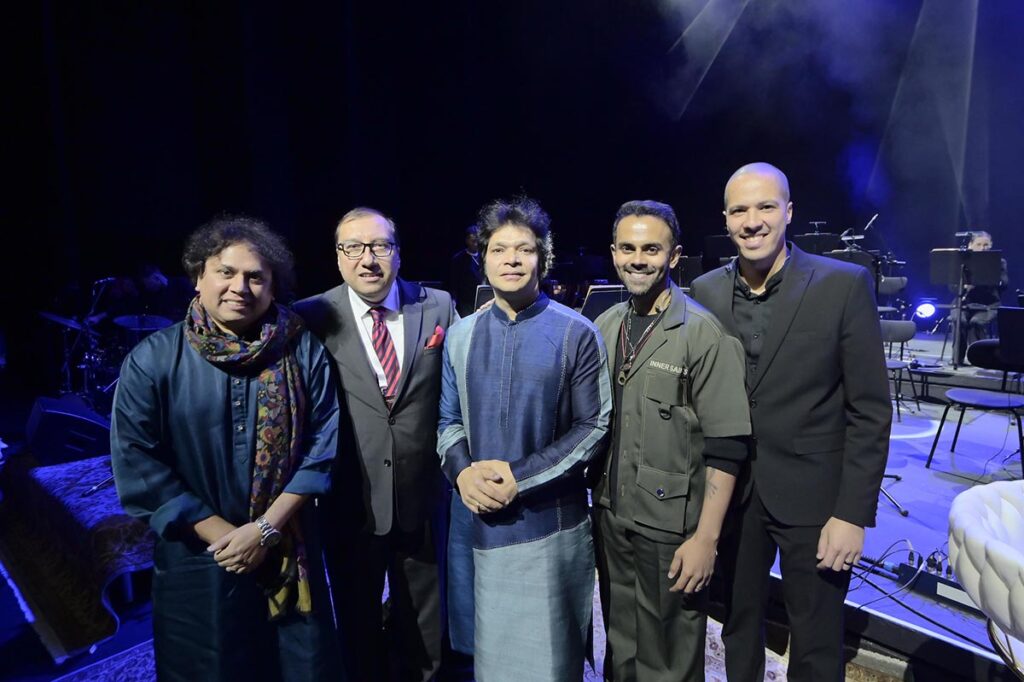
SYMPHONY OF BANSURI. With Rakesh Chaurasia (bansuri), Satyajit Talwalkar (tabla) and the Cape Town Philharmonic Orchestra conducted by Damian Philander. Jonno Sweetman (drums) and Sangeet Haldipur (piano). Presented by Inner Circle Entertainment. At Artscape, Cape Town.
KAREN RUTTER reviews
Master bansuri player Rakesh Chaurasia displayed his formidable technique in a collaborative concert in Cape Town this weekend, bringing together Eastern ragas and Western rhythms in a fusion of joyous creativity.

The bansuri – a bamboo flute that is blown transversely – is a deceptively simple instrument, having no flashy brass or silver bits. Sound is controlled by breath and fingering. In the hands, and on the lips, of a maestro like Chaurasia, the range of expression is astounding, matched by a technical prowess that takes performance into the sublime.
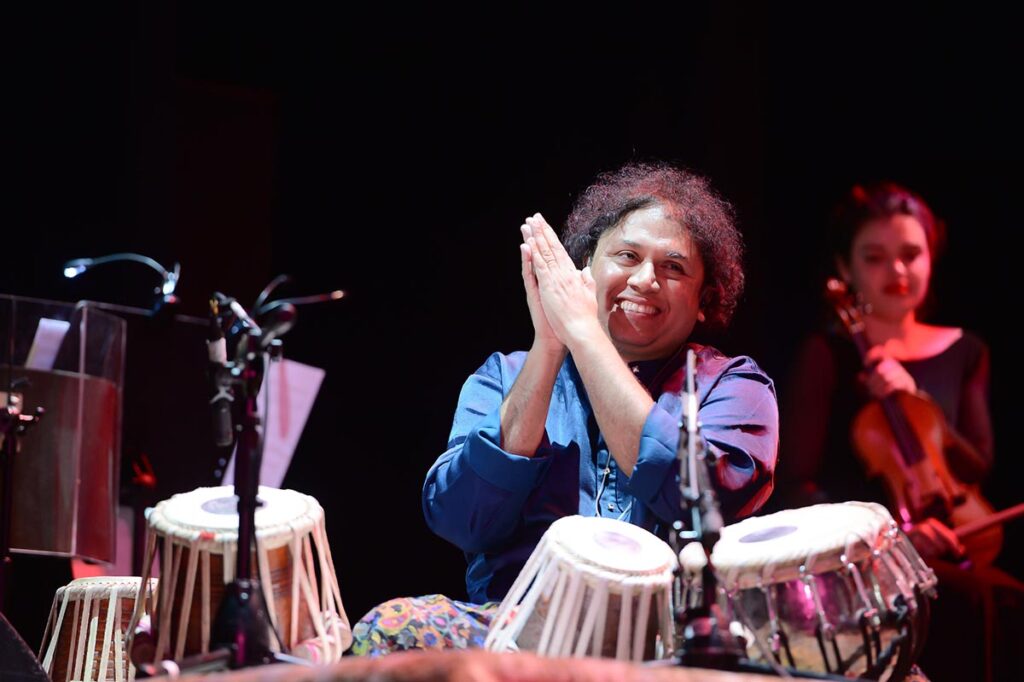
Audiences were given a chance to experience the scope of the bansuri in an intimate first-half session by Chaurasia and tabla player Satyajit Talwalkar – the latter an equally-lauded instrumentalist. The duo presented a programme of Indian classical music characterised by intricate improvisation. The elevated musical dialogue between bansuri and tabla was fluid, dynamic, and impressively attuned, at times playful and other times profound. A unique lesson in musical finesse by two performers at the top of their game.
Singular blend of virtuosity
After interval things got busier with the world premiere of Symphony of Bansuri, a joint musical venture between the Cape Town Philharmonic Orchestra and Chaurasia, with Talwalkar joined by drummer Jonno Sweetman and pianist Sangeet Haldipur. Damian Philander was the enthusiastic and attentive conductor holding it all together.
The result was a lavish and generous musical offering, blending the mellifluous flow of the bansuri with the full-bodied weight of the orchestra, blown up further with thrilling rhythmnastics by Sweetman and Talwalkar. Pianist Haldipur added a smooth, confident edge, both as a musician and as host. The atmospheric opera house aesthetics, with intelligent lighting, added to the overall high standard.
Musically, it may be more fair to call the performance a medley as opposed to a symphony. Firstly, it is made up of eight parts (not the more traditional four), which, while being linked by the bansuri itself are at times very stylistically different. There is the opening piece, Traveller, which invites the audience to go on an exciting and evocative melodic journey, and is a fine showcase of the dialogue between Western and Eastern musical traditions. This then morphs into segments such as Reggae Raga which is, as the title suggests, a meld between Jamaican and Indian; and the piano/bansuri duo on Ode to Bollywood, which proved a very popular tribute to well-loved movie scores. The speedy Catch Me If you Can offers the space for Chaurasia to showcase his impressive technical dexterity, while Until Next Time ended the concert on a moving and ultimately hopeful note.
But semantics aside, Symphony for Bansuri was clearly a huge hit for a capacity Artscape Opera House, and offered a unique opportunity to experience one of the world’s best bansuri players, one of the world’s best tabla players, and surely the continent’s best orchestra, woven into a singular blend of virtuosity, cross-cultural richness, and infectious delight.
Read Albert Combrink’s review of Symphony of Bansuri here.
Symphony of Bansuri was made possible by Inner Circle Entertainment.
WS